1Cell.Ai, a leader in precision oncology diagnostics, is proud to announce the presentation of seven research studies at the 𝘼𝙢𝙚𝙧𝙞𝙘𝙖𝙣 𝘼𝙨𝙨𝙤𝙘𝙞𝙖𝙩𝙞𝙤𝙣 𝙛𝙤𝙧 𝘾𝙖𝙣𝙘𝙚𝙧 𝙍𝙚𝙨𝙚𝙖𝙧𝙘𝙝 (AACR) Annual Meeting 2026. These studies collectively demonstrate the power of AI-powered multi-omic approaches in advancing cancer detection, monitoring, and treatment decision-making.
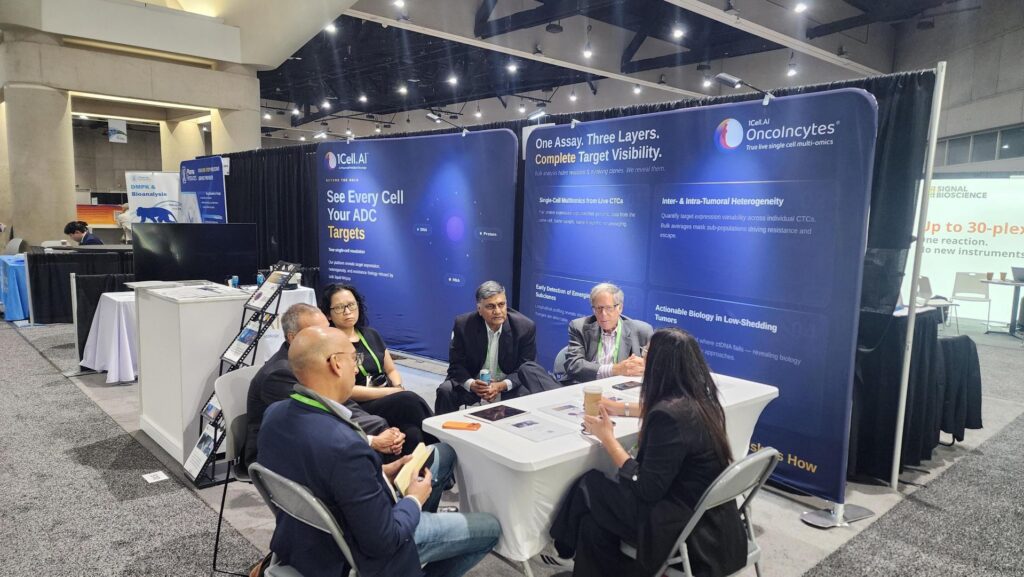
“Our presence at AACR this year marks a pivotal moment for 1Cell.Ai,” said Mohan Uttarwar, Founder and CEO of 1Cell.Ai.
Key highlights from the presentations were categorized across 𝙛𝙤𝙪𝙧 critical areas of oncology:
- 𝘼𝙙𝙫𝙖𝙣𝙘𝙚𝙢𝙚𝙣𝙩𝙨 𝙞𝙣 𝙈𝙞𝙣𝙞𝙢𝙖𝙡 𝙍𝙚𝙨𝙞𝙙𝙪𝙖𝙡 𝘿𝙞𝙨𝙚𝙖𝙨𝙚 (𝙈𝙍𝘿) & 𝙇𝙞𝙦𝙪𝙞𝙙 𝘽𝙞𝙤𝙥𝙨𝙮: Novel computational and assay-based approaches to improve detection sensitivity.
• MIRAGE: A ctDNA methylation-driven algorithm for sensitive MRD detection.
• Ultrasensitive cfDNA fragmentomics assay for early treatment response assessment in solid tumors.
- 𝘼𝙄-𝘿𝙧𝙞𝙫𝙚𝙣 𝙄𝙢𝙖𝙜𝙞𝙣𝙜 & 𝘽𝙞𝙤𝙢𝙖𝙧𝙠𝙚𝙧 𝙌𝙪𝙖𝙣𝙩𝙞𝙛𝙞𝙘𝙖𝙩𝙞𝙤𝙣: Leveraging deep learning to extract deeper biological insights from standard pathology.
• OncoPredikt: A deep-learning framework for tumor detection and biomarker quantification in breast cancer IHC whole-slide images.
- 𝙄𝙣𝙩𝙚𝙜𝙧𝙖𝙩𝙚𝙙 𝙈𝙪𝙡𝙩𝙞-𝙊𝙢𝙞𝙘 & 𝙋𝙝𝙖𝙧𝙢𝙖𝙘𝙤𝙜𝙚𝙣𝙤𝙢𝙞𝙘 𝙋𝙧𝙤𝙛𝙞𝙡𝙞𝙣𝙜: Combining diverse data types to enable more precise and actionable clinical insights.
• Integrative genomic analysis revealing pharmacogenomic determinants of chemotherapy response.
• Enhancing variant interpretation and reducing uncertainty in clinical genomics through systematic multi-database classification.
- 𝙍𝙚𝙖𝙡-𝙒𝙤𝙧𝙡𝙙 𝙀𝙫𝙞𝙙𝙚𝙣𝙘𝙚 & 𝙋𝙤𝙥𝙪𝙡𝙖𝙩𝙞𝙤𝙣-𝙎𝙥𝙚𝙘𝙞𝙛𝙞𝙘 𝘼𝙥𝙥𝙡𝙞𝙘𝙖𝙩𝙞𝙤𝙣𝙨: Expanding the reach of precision medicine to diverse cohorts and complex mutations.
• Comprehensive genomic profiling expanding accessibility to targeted therapies in underserved populations.
• Precision profiling of TP53alterations in advanced cancers, linking mutation class to genomic instability and actionable drivers.
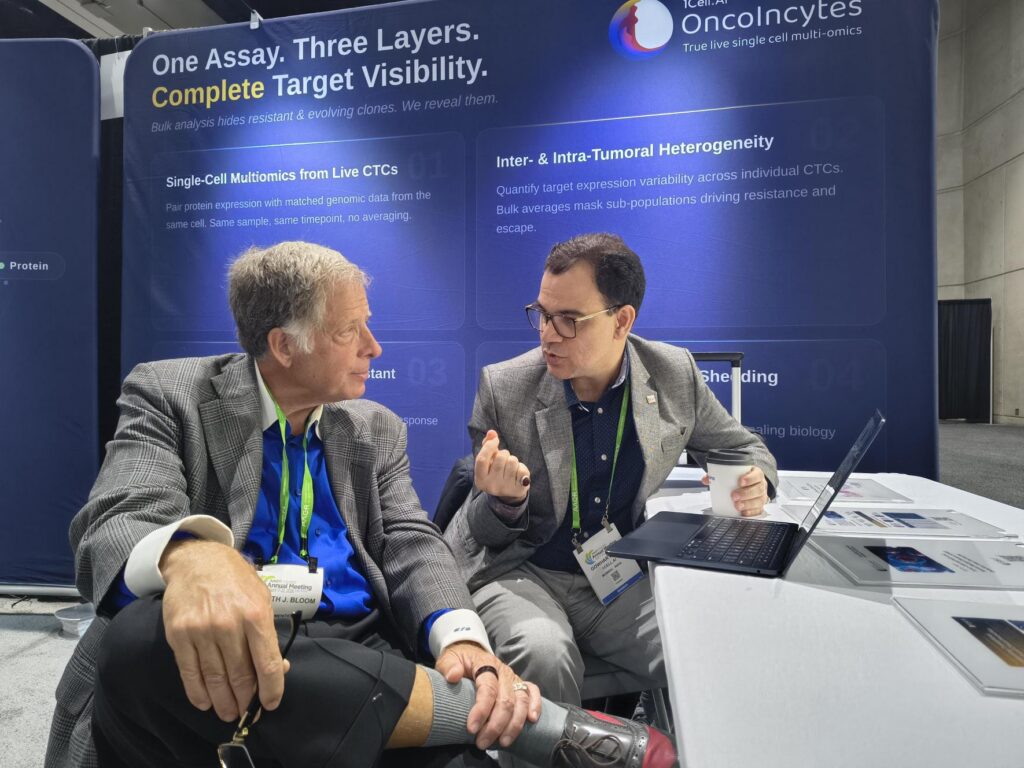
“𝘿𝙧. 𝙂𝙤𝙬𝙝𝙖𝙧, Chief Medical Informatics Officer, added: ‘The diversity of these studies from fragmentomics to population-specific genomic profiling, highlights the scalability of our informatics platform. By integrating multi-omic insights, we are reducing clinical uncertainty and providing a clearer path forward for patients with complex high-risk mutations.'”
The full details of these presentations and their implications for the future of oncology care are available here.