


Table of Contents
ToggleThe generation most likely to research health on TikTok is the least likely to get screened. Here’s why that matters, and what to do about it.
Here is a statistic that should be circulating widely but probably isn’t:
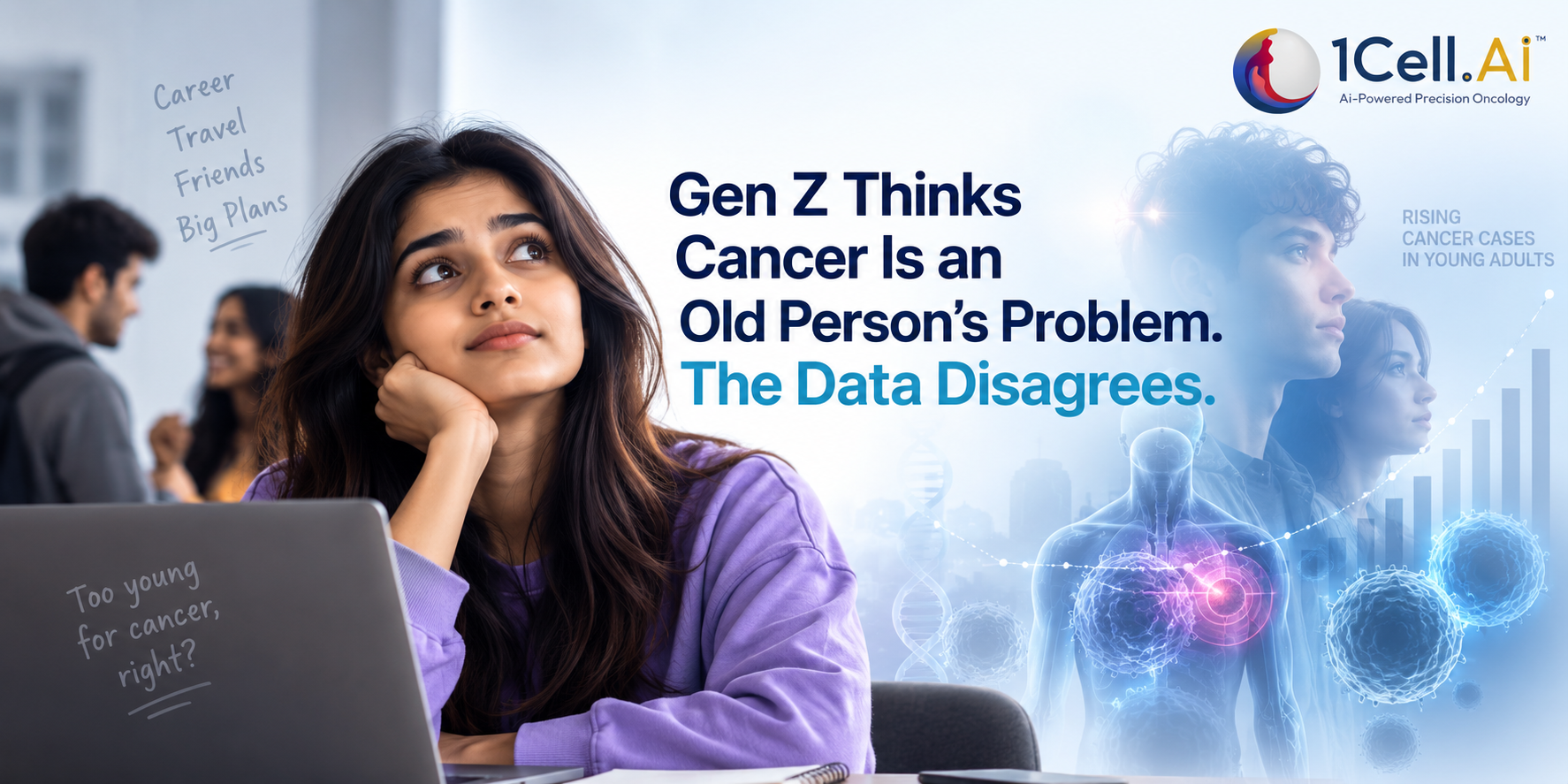
Only 37% of Gen Z adults had a routine medical appointment or cancer screening in the last year – the lowest of any generation. And only 64% believe cancer risk can even be reduced through prevention.
Now pair that with this: cancer rates in young adults aged 18-49 are 79.1% higher than they were in 1990.
Take a moment with that. Cancer is rising fastest in the exact generation least likely to get screened for it.
It Is Not Laziness: It Is a System That Wasn’t Built for Them
Gen Z isn’t skipping cancer screening because they don’t care about their health. Many of them are the most health-conscious generation in history; obsessively tracking sleep, nutrition, and fitness. Come on, they own the term OCD.
The problem is structural.
Most cancer screening guidelines start at 45 or 50,reflecting the old assumption that cancer is an older person’s disease. A 27-year-old with a strong family history of colorectal cancer often has no clear pathway to early screening because the guidelines weren’t written for her.
And when systems don’t make the pathway obvious, people don’t find it.
The Cancers Rising Fastest in Young Adults
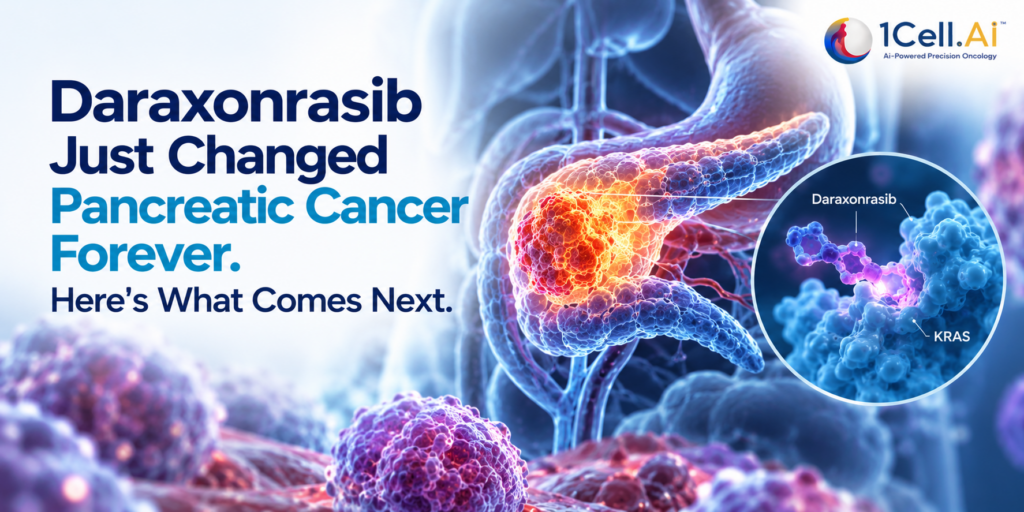
The American Cancer Society’s landmark Lancet Public Health study identified 17 cancer types with rising incidence in younger generations, including breast, pancreatic, gastric, and colorectal cancers.
In India, the problem is compounded by a healthcare system where over 70% of cancer cases are still diagnosed at advanced stages, meaning that even when young adults do seek care, the cancer has often been growing undetected for months or years.
What Young Adults in India Should Be Doing
The conversation about cancer prevention for Gen Z needs to go beyond “eat less junk food and exercise more” ; though those matter. It needs to include:
- Know your family history. A first-degree relative with breast, ovarian, colorectal, or pancreatic cancer significantly elevates your risk, and makes comprehensive cancer genetic testing genuinely worth discussing with your doctor.
- Don’t dismiss symptoms. Cancer in young people is frequently misdiagnosed initially because doctors aren’t looking for it. If something doesn’t resolve, insist on answers.
- Ask about NGS testing. If you receive a cancer diagnosis, NGS testing for cancer gives your oncologist a complete molecular map of what is driving it and opens access to targeted therapies that standard pathology cannot identify.
- Get screened earlier if you are high-risk. Colonoscopy at 40 instead of 45. Breast MRI if you carry a hereditary risk mutation. Earlier does not mean alarmist; it means proactive. We all have heard of Angelina Jolie effect.
At 1Cell.Ai, our OncoRisk platform and OncoIndx® comprehensive genomic profiling panel are built for exactly this patient – younger, molecularly complex, deserving of precision oncology that matches the sophistication of their disease.
Because cancer doesn’t wait until you’re 65. And your diagnostics shouldn’t either. Learn more at 1cell.ai or write to us at [email protected]